
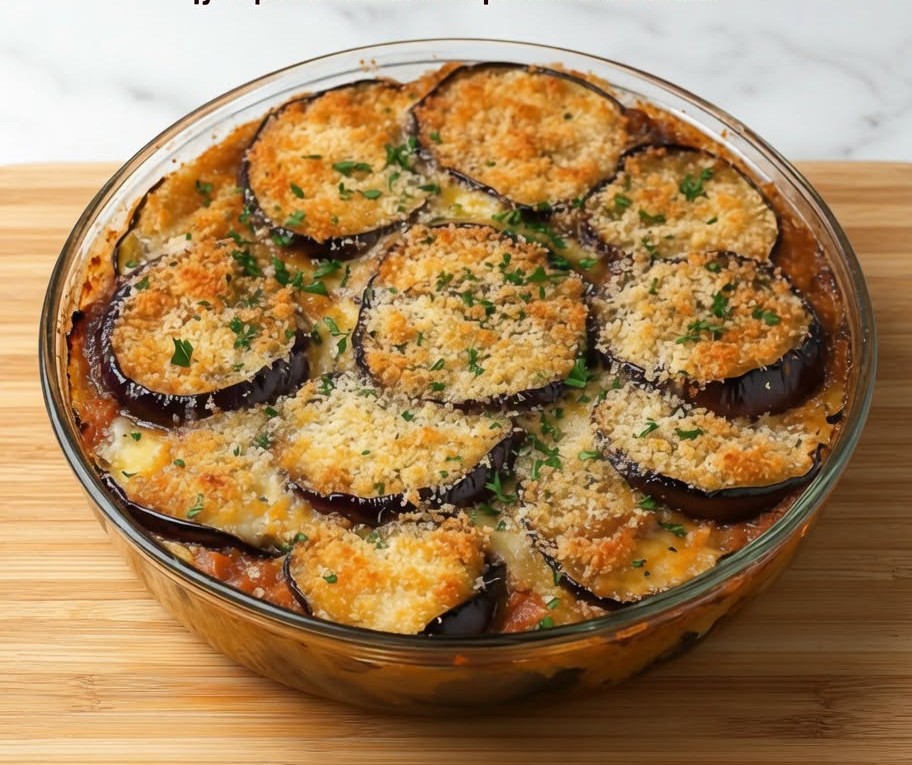
Calories: Approximately 320 kcal
Protein: 12g
Carbohydrates: 18g
Fiber: 6g
Fat: 24g (primarily from cheese and cooking oil)
Sodium: 480mg (varies based on salt usage)
Cooking Tips and Tricks
Selecting Eggplants: Choose firm, glossy eggplants that feel heavy for their size. Smaller eggplants typically have fewer seeds and less bitterness.
Salting Process: Don’t skip the salting step! It not only removes bitterness but also helps the eggplant absorb less oil during frying, resulting in a lighter dish.
Frying Technique: Make sure your oil is hot before adding the eggplant, but not smoking. This ensures proper browning without soaking up too much oil. A medium-high heat is ideal.
Oil Management: Eggplants are like sponges and can absorb a lot of oil. Use just enough oil to fry them and consider using a non-stick pan to reduce the amount needed.
Sauce Consistency: If your tomatoes are very watery, simmer the sauce a bit longer to concentrate the flavors and reduce excess moisture, which could make your dish soggy.
Cheese Selection: For the best flavor and melt, use fresh mozzarella if available, or a good quality low-moisture mozzarella. Freshly grated Parmesan will taste better than pre-packaged versions.
Resting Period: Allow the dish to rest after baking. This helps the layers set and makes it easier to serve neat portions without everything sliding apart.
Variations and Substitutions
Healthier Option: Instead of frying, brush the eggplant slices with olive oil and bake them at 200°C (400°F) for about 20 minutes before assembling the dish.
Meat Addition: For a non-vegetarian version, add cooked ground beef or Italian sausage to the tomato sauce.
Cheese Alternatives: Replace mozzarella with provolone, fontina, or a mix of Italian cheeses. For a dairy-free version, use plant-based cheese alternatives.
Sauce Variations: Enhance the tomato sauce with red wine, balsamic vinegar, or additional herbs like basil, thyme, or bay leaf for more complex flavors.
Gluten-Free Option: Use gluten-free breadcrumbs for the topping, or substitute with crushed nuts or gluten-free cereal.
Added Vegetables: Incorporate layers of sautéed spinach, zucchini, or bell peppers for extra nutrition and flavor complexity.
Spice Level: Add red pepper flakes to the sauce or a pinch of cayenne to the breadcrumb topping for a spicier version.
Common FAQs
Why is my eggplant parmesan watery?
This typically happens if the eggplant wasn’t properly salted and dried before frying, or if the tomato sauce was too thin. Make sure to thoroughly pat the eggplant dry after salting, and simmer your sauce until it reaches a thicker consistency. Also, allowing the finished dish to rest for 10-15 minutes before serving helps reduce excess moisture.
Can I prepare this dish ahead of time?
Yes! You can prepare all the components (fry the eggplant, make the sauce) up to a day in advance and refrigerate. Assemble and bake when you’re ready to serve. Alternatively, you can assemble the entire dish, refrigerate (unbaked) for up to 24 hours, and then bake when needed, adding about 10 minutes to the baking time.
Can I freeze eggplant parmesan?
Yes, this dish freezes well. Let it cool completely after baking, then wrap it tightly in plastic wrap and aluminum foil, or place in an airtight container. Freeze for up to 3 months. Thaw overnight in the refrigerator and reheat in a 350°F (180°C) oven until hot throughout, about 20-30 minutes.
How can I make this dish less oily?
To reduce the oil content, bake the eggplant slices instead of frying them. Lay them on a baking sheet, brush with a small amount of oil, and bake at 200°C (400°F) for about 20 minutes, flipping halfway through, until tender and lightly browned.
What can I serve with eggplant parmesan?
This hearty dish pairs beautifully with a simple green salad dressed with lemon and olive oil. It also goes well with crusty bread, a side of pasta with light sauce, or roasted vegetables. For a complete Italian-inspired meal, serve with a light soup as a starter.
Storage and Make-Ahead Tips
Refrigeración: Guarde las sobras de berenjena a la parmesana en un recipiente hermético en el refrigerador hasta por 3 o 4 días.
Recalentamiento: Para obtener mejores resultados, recaliente en un horno a 180 °C (350 °F) durante unos 15-20 minutos, o hasta que esté completamente caliente. Cubra con papel aluminio si la superficie empieza a dorarse demasiado. Recalentar en el microondas funciona en caso de urgencia, pero puede dejar la cobertura de pan rallado pastosa.
Congelación: Para congelar, deje que el plato se enfríe por completo y luego envuélvalo bien en film transparente y luego en papel aluminio. Etiquete con la fecha y congélelo hasta por 3 meses. Descongélelo durante la noche en el refrigerador antes de recalentarlo.
Componentes para preparar con antelación:
La salsa de tomate se puede preparar hasta con 3 días de anticipación y refrigerar, o congelar hasta por 3 meses.
Las rodajas de berenjena se pueden freír con un día de anticipación y refrigerar en capas separadas por toallas de papel.
Todo el plato se puede montar (pero no hornear) hasta 24 horas antes, tapado y refrigerado.
Sugerencia de presentación: Para una mejor presentación y textura, deje reposar el plato horneado de 10 a 15 minutos antes de cortarlo y servirlo. Esto permite que las capas se asienten y facilita su presentación.
Esta receta de berenjena a la parmesana transforma ingredientes sencillos en un plato verdaderamente extraordinario. La crujiente textura exterior de la berenjena, complementada con la rica salsa de tomate y el queso fundido, crea una armonía de sabores y texturas que la convierte en un plato reconfortante perfecto. Ya sea que la sirva como plato principal en una cena familiar o como parte de una cena más grande para sus invitados, este plato sin duda impresionará a todos en su mesa.
